What Do Facts Have To Do with Fantasy?
I wrote fantasy so that nobody could question my facts. Now I’m questioning myself.
I wanted badly to go on a research trip for Ring of the Axe. “Research trip to Chicago” was on my list of 12 Winter Solstice Wishes. It seemed like a good idea for any project, and I had some specific questions to investigate.
With schedules and children and pets, I wasn’t sure it was going to happen. Then our boys got invited to the Monster Jam in Milwaukee with their aunt & uncle. A perfect moment to leave them with family and go on this adventure.
The stars aligned and I got my wish: a winter weekend in Chicago focused on my book.
In hindsight, I can now say why this trip felt so important to me, what I went looking for, and how I would do it all again (for my next book!).
I hate being wrong.
Is there anything worse than failing to be correct? Hearing the words “ACTUALLY…”? Missing the right answer? Misinterpreting the facts? Appearing stupid in front of smart people??
It’s painful for my soul (even though I know making mistakes is how we learn, nobody’s perfect, blah, blah, BLAH).
That’s probably why I gravitated toward writing fantasy. Nobody could tell me I got it wrong because it’s all made up!

But…ACTUALLY…even fantasy writers do their research
Ring of the Axe is portal fantasy, meaning that the main character (Chelsea) lives in our world (Chicago), but gets pulled into an invented, magical world (the Faerie Realm).
So it’s firmly rooted in reality, with real places and real people and real history. I could easily get things wrong, and hear responses like “ACTUALLY, the blue line wouldn’t be running at that time of night.”
Even when Chelsea travels to the Faerie Realm, that place is not a totally spontaneous creation. The geography, the movement of people, the tools people carry, the systems of government…they all have some relationship to the real world.
My books start with vibes, not reality
When I started writing Ring of the Axe, two characters and a general vibe appeared to me. Then a plot started to unfold around them.
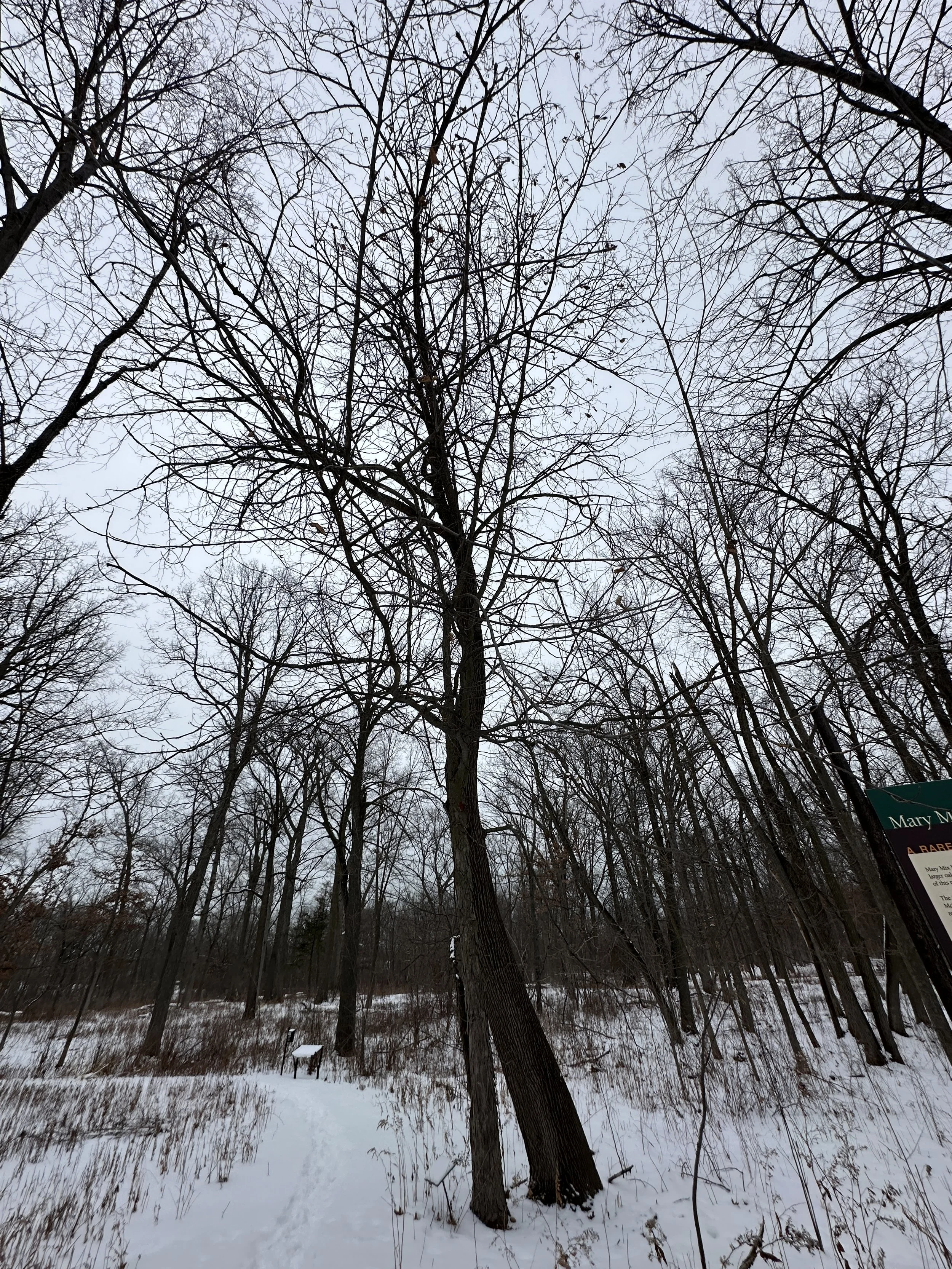
Having characters and a plot started, I also needed to know where people lived, what their magic could do, what jobs they had, who their family was. I needed facts to fit my vibes.
The more I wrote, the more I thought critically about the rules for the universe I was creating…and the more worried I got.
What have I created?
It’s not too much of a spoiler to say the Faerie Realm in Ring of the Axe is like our world, but different.
People from our world go to the Faerie Realm (and vice versa), but not often. There’s enough of an exchange that our regional languages stay in sync (thank goodness!).
There are not nearly as many people in the Faerie Realm (I have hypothetical reasons for why that’s the case, but I’m not a population scientist and neither are any of my characters so ¯\_(ツ)_/¯).
The geography is very similar, but the people of the Faerie Realm have a small town with outlying villages instead of a huge metropolis.
There isn’t that much technology. They have magic after all!
Given all that, the Chicago of the Faerie Realm probably feels a lot more like a magical version of a historic Chicago - one where Native Americans and French fur traders and some other early colonizers.
You know what I don’t know much about? Native Americans around Chicago and French fur traders and early colonization of the Great Lakes region.
How do I make that creation feel real?
I want the Ring of the Axe to be plausible to the experts, accessible to the uninitiated, timeless to a future audience, and moving to my readers.
PLAUSIBLE
I don’t want my book to alienate them by feeling false to people who have much more expertise than I do. The main audience that I stress about is the Chicagoans. There are so many people who have experience, connections, and expectations of the city. Even if my book covers only a tiny tiny slice of all that, I want it to feel realistic.
ACCESSIBLE
If a reader has never been to Chicago or doesn’t know it that well, the book should still be readable and natural to that person. At minimum I don’t want to leave anyone out. Ideally I might create an impression of a vibrant and fascinating place in the world.
TIMELESS
My style of writing also strives to be generic enough that if a certain restaurant closes down, or a pop star goes out of fashion, or a political figurehead slips into obscurity, it’s still possible to understand and relate to these books.
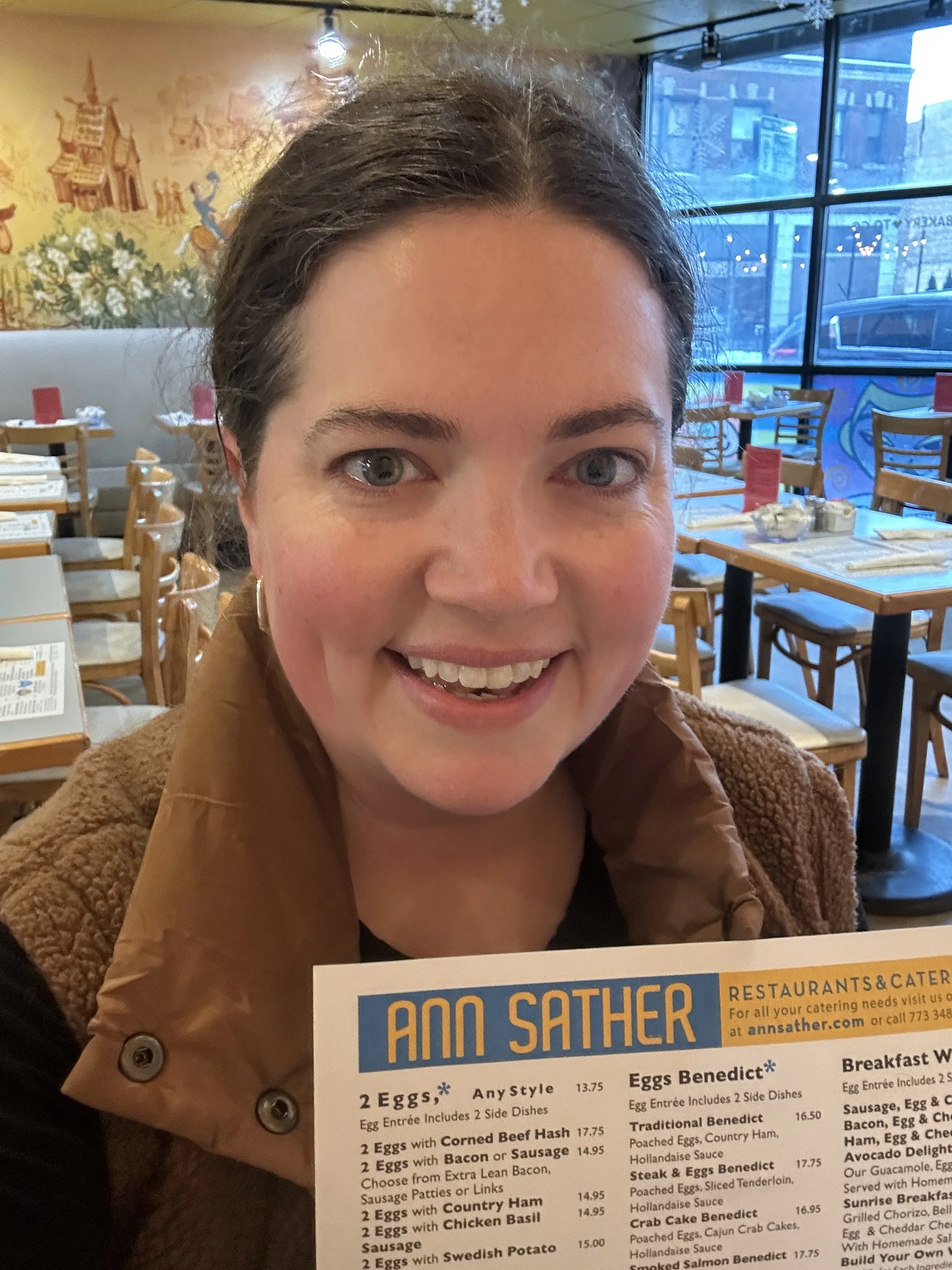
(Honestly this point is easy for me--I have a terrible memory for names of people and places. So Ann Sathers quickly becomes “that yellow place with the cinnamon rolls.”)
MOVING
As a reader, I’m moved when the author has a specific viewpoint that is foreign to me but still carries me away. I’m writing a book that only I can write, seeing things that only I can see. I don’t want to fall back totally on the stereotypes, or the most famous landmarks, or the most cursory knowledge that can be dredged up on the internet. I want to be inspired by little moments and realizations and colors and smells that are specific to me but hopefully resonant with you readers too.
How to research your fantasy book
So how did I do it, and how would I do it again?
1. Do what you can at your desk
There’s so much information in libraries and on the internet to lay a foundation before you visit a place. Laying that foundation gives yourself the best chances to be able to go past the surface level knowledge to find something special.
I wasn’t poring over books for days and days, but I did read a few titles and visit lots of internet resources about Chicago history & geography, how Native Americans around the Great Lakes lived, the importance of the river portage to trade since time immemorial, the explorations of Marquette and Joliet, and more.
2. Schedule the trip with seasons & drafting status in mind
The timing for this trip was accidentally exquisite.
I didn’t just want boots on the ground, I wanted SNOW boots on the ground. Ring of the Axe is mostly set in a wintery Chicago. Things are just different in winter, especially when it involves tromping around nature.
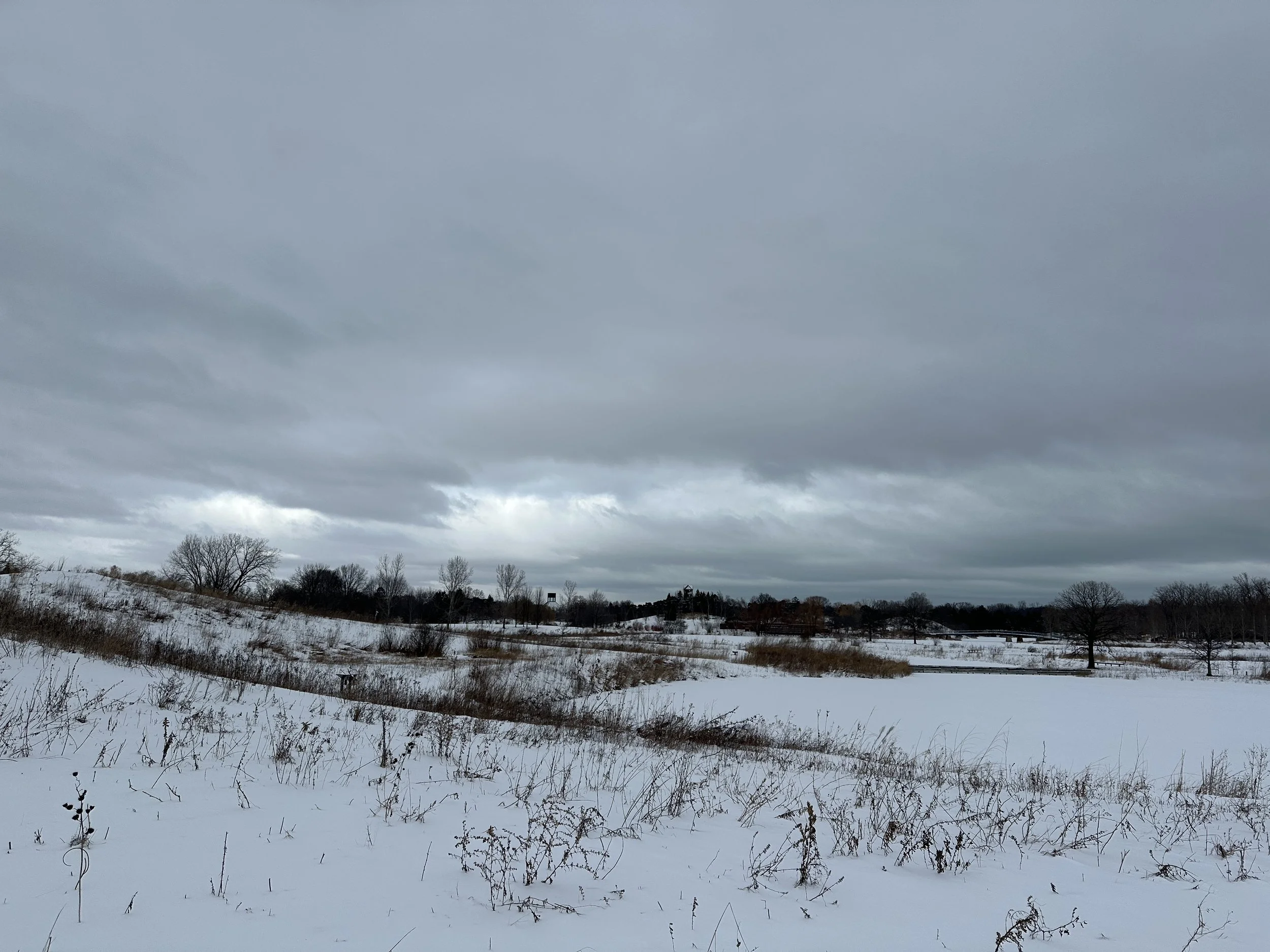
It was also well-timed with my writing process. Any earlier than that and it would have been an “inspiration trip.” Now that I’m mostly through my second draft, I’m on solid footing but still have flexibility to make changes.
3. Prepare an itinerary and questions
I paged through my manuscript looking for any little loose ends I could tie up during this trip.
I looked up museum hours, mapped locations to minimize driving, and made a list of things that I wanted to research. That list has lines like…
Where would this side character live?
I need a house that backs up to a wooded area. Where would that be?
Where is the nearest emergency room to Chelsea’s house?
What does a Chicago prairie look like in winter?
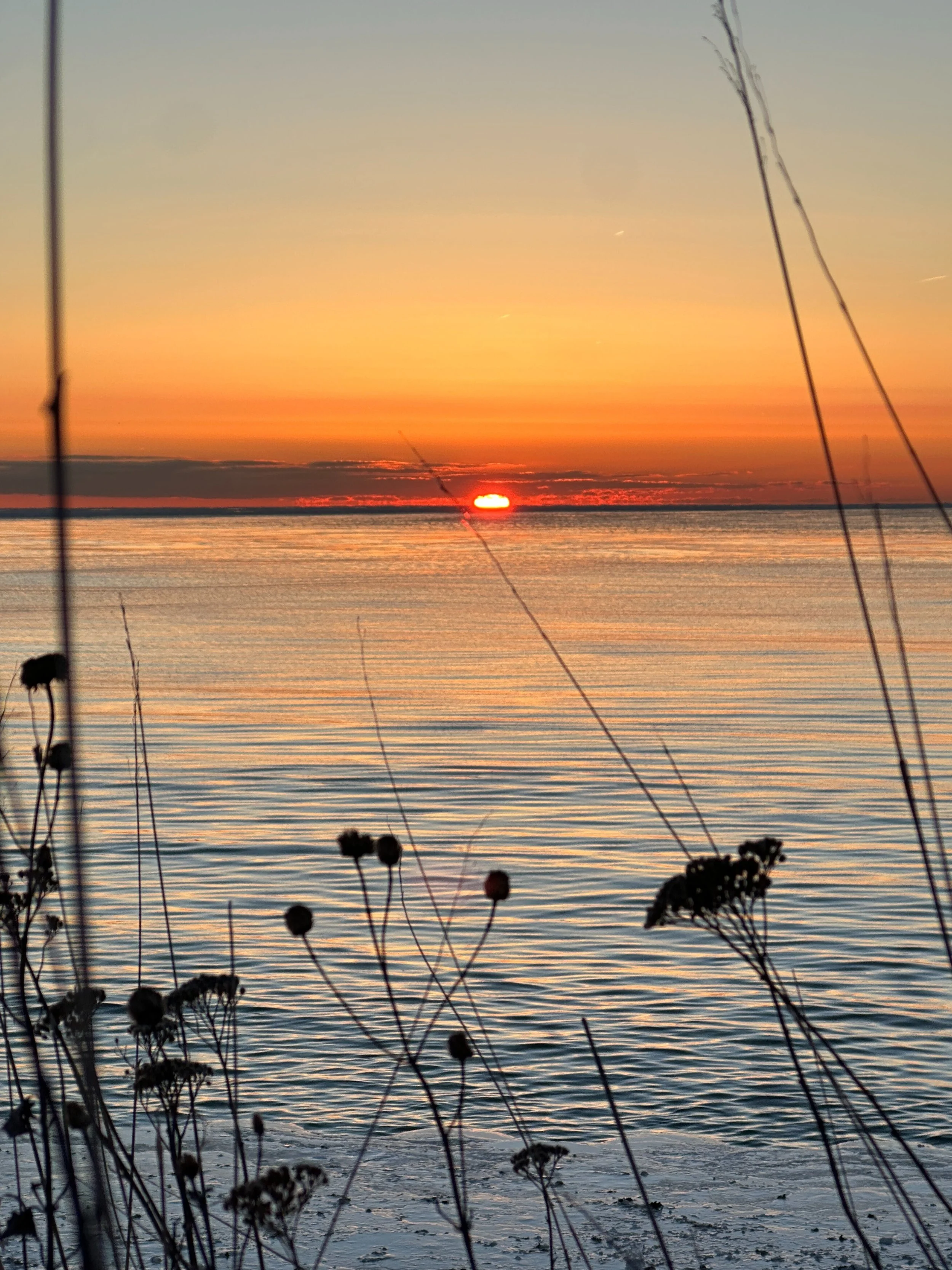
How does the sun rise over Lake Michigan?
4. Recruit help
At first I thought I would want to really immerse myself in this trip alone, but in the end I had help and I think that was better.
I started by orienting them to the basic structure of the world and conflict of the book.
Matt was all over it, asking great logistical questions that either challenged me to think a new way or boosted my confidence in the answers that I already had.
Colleen helped assign neighborhoods to my characters (and tipped me off to this humorous Reddit post. Jim also chimed in with more expertise in the suburbs.
Having them both out in the field also helped dull the edge of weirdness when I pulled on a locked door to the Loyola physics building or asked a weird question of the docent at the Botanic Gardens.
5. Wander around
Seek vibes, both of the city and of the natural areas. Look for exits and paths and hidden ways. Stop and smell the roses. Listen for bird calls or traffic noise or silence. Observe the people who are also there with you.
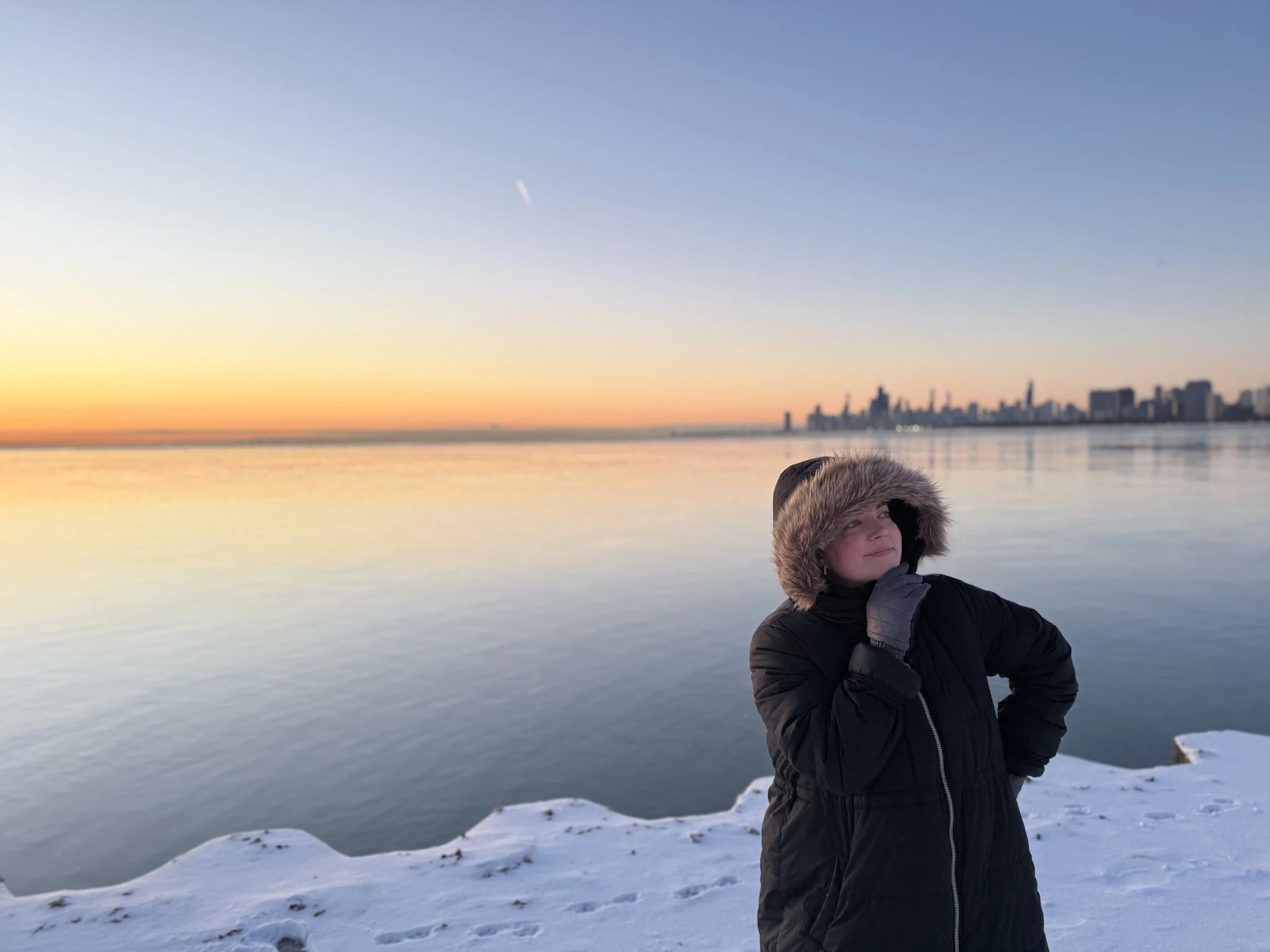
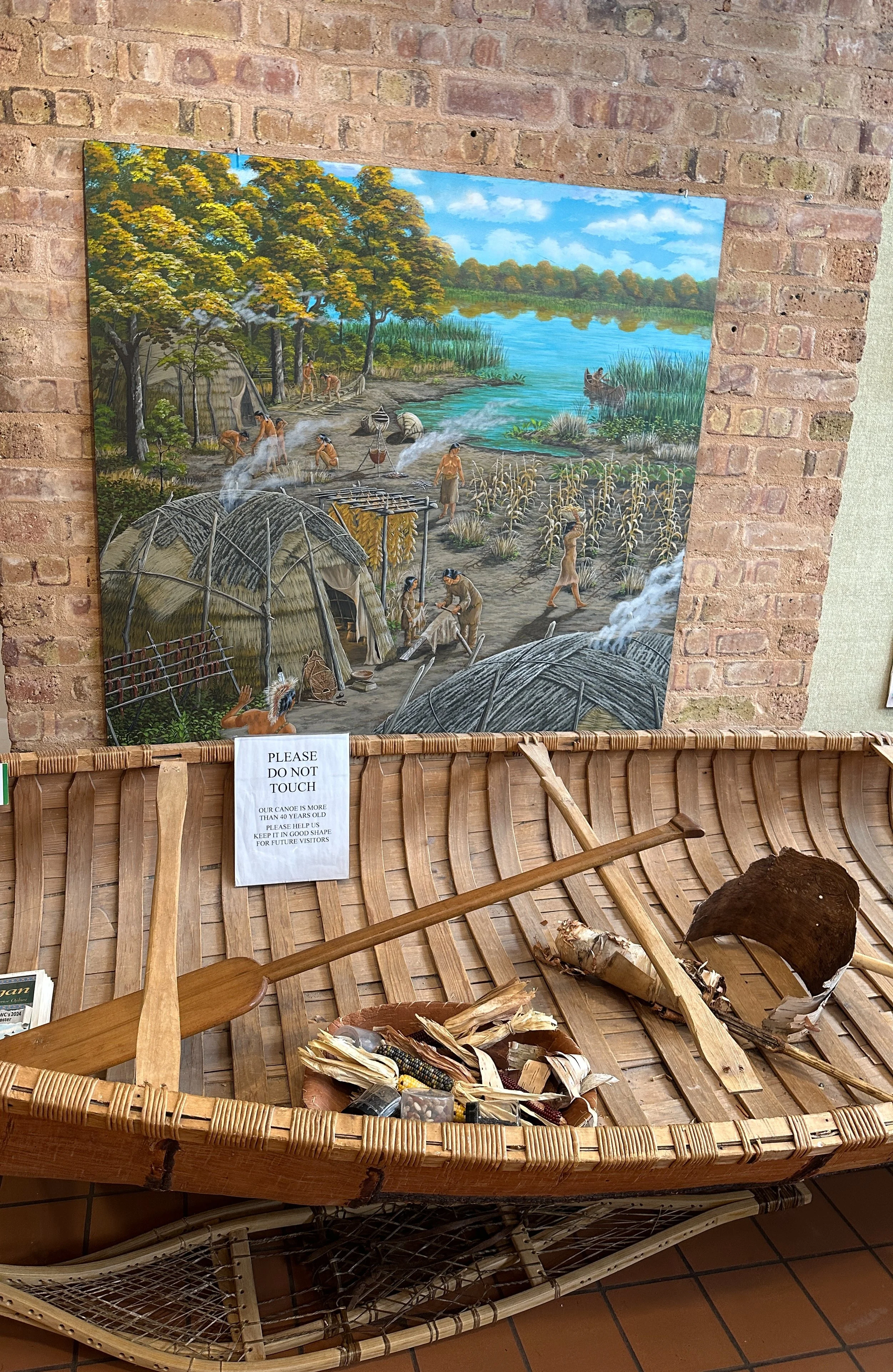
We wandered around the Loyola University Lake Shore campus, Gichigamiin Museum, the Chicago Botanic Gardens, and Momotaro for sushi (which was not strictly on the agenda, but still delicious). The next morning we watched the sun rise over Lake Michigan and got breakfast at Ann Sathers.
6. Take pictures, notes, and anything else you find.
Scribble down everything you’re seeing and thinking. Pick up newspapers and flyers. Take pictures to remind you of the little visual details that you’ll probably forget.
7. Put it right back in the manuscript
In a very uncharacteristic move, I was putting this all back in the manuscript almost immediately. That seems like the best way, even if it’s just making in-line notes to come back to later. I was bursting with inspiration and clarity and I didn’t want to lose any of it to the haze of time.
8. Don’t be afraid to leave things behind.
Not everything you learn will be a part of the work, no matter how cool the factoid or how significant the historical moment. This is a novel after all, not a history book or a travel guide.
Whatever you find, it’s in the background contributing to your understanding and to the overall effect. We’re growing a broad knowledge so that the right details emerge to make it feel true in the deepest sense of the word.
What will you get for your efforts?
Sure, I absorbed a lot of information about Chicago. Ring of the Axe will be richer, more logical, and better for all this seeking.
But in the end my biggest breakthrough wasn’t something I saw or learned. It was something I COULDN’T FIND.
One of the biggest tangles of the end of the book was how to get “Event G” to happen in the same location as “Item C” (too many spoilers to be more specific). I could not find a place where I thought they could reasonably fit.
Then I realized…oh, they DON’T fit. There’s something else entirely going on…and I knew exactly what I had to write.